


Article
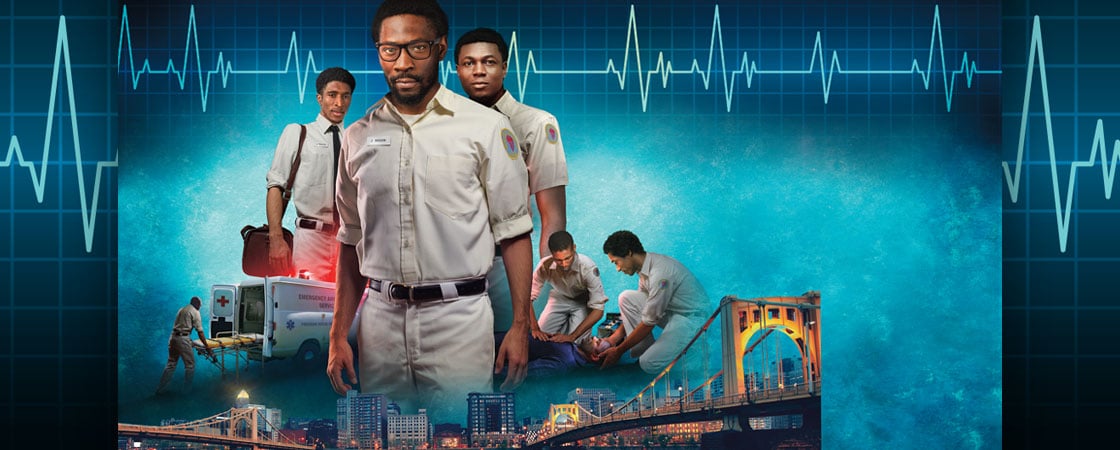
Art by Allan Davey; © Yurii Zushchyk | Dreamstime.com (badge); © Konstantinos Moraitis | Dreamstime.com (car); (c) Cammeraydave | Dreamstime.com (background); © Pimenova | Dreamstime.com (background); iStockPhoto/Getty Images (ambulance, EMS worker, ambulance doors, injured man, stretcher, siren); Shutterstock.com (all other images)

Heroes From the Hill

How an ambulance crew in Pittsburgh rose above racial injustice—and changed emergency medical care forever

By Allison Friedman
From the February 2026 Issue

Learning Objective: to identify key ideas and details in a narrative nonfiction article

Lexiles: 1040L, 870L
Featured Skill: Central Ideas

Standards

AS YOU READ

Why was Freedom House so important to its community?

Tires screeched. A siren wailed. It was the spring of 1975, and an ambulance raced through the streets of Pittsburgh, Pennsylvania.

At the wheel was a man named John Moon. He was part of the Freedom House Ambulance Service, the first modern paramedic crew in the country. Moon and his team were specially trained to treat sick and injured people in an ambulance as they rushed to the hospital. They responded to almost every kind of emergency, from seizures and allergic reactions to car accidents and fires.

But soon after Moon skidded to a stop on a bridge arching over Pittsburgh’s Allegheny River, he could tell that this call was going to be more challenging than most. Moon and his team were there to save a patient who was having a heart attack. The man was lying on the bridge’s walkway, not moving. And in between him and Moon was a 12-foot-tall fence topped with razor-sharp wire.

Moon hesitated just for a moment. Then he began to climb. What choice did he have? For this patient, Moon was the only thing standing between life and death. 

Tires screeched. A siren wailed. It was the spring of 1975. An ambulance raced through the streets of Pittsburgh, Pennsylvania.

John Moon was driving. He was part of the Freedom House Ambulance Service. It was the first modern paramedic crew in the country. Moon and his team were specially trained to treat sick and injured people in an ambulance as they rushed to the hospital. They responded to almost every kind of emergency, from seizures and allergic reactions to car accidents and fires.

Moon skidded to a stop on a bridge arching over Pittsburgh’s Allegheny River. He could tell that this call was going to be more challenging than most. Moon and his team were there to save a patient who was having a heart attack. The man was lying on the bridge’s walkway. In between him and Moon was a 12-foot-tall fence. It was topped with razor-sharp wire.

Moon hesitated. Then he began to climb. What choice did he have? For this patient, Moon was the only thing standing between life and death.


Preventable Deaths

Preventable Deaths

Today, if we need urgent medical help, we can call an ambulance, a mini emergency room on wheels staffed with emergency medical technicians (EMTs) or paramedics who provide medical care on the way to the hospital. (EMTs provide basic emergency care like CPR; paramedics receive more-advanced training and can help patients in more serious cases.) One of the first phone numbers we learn is 911.

But for most of history, ambulance care as we know it today did not exist. Early versions of paramedics appeared and disappeared in different parts of the world over the centuries, particularly during wartime. Yet they never became an established part of everyday life. 

When Moon was growing up in the 1950s and ’60s, medical emergencies were handled by police departments, fire departments, and even funeral homes. The patient was placed into the back of a police vehicle, like a criminal, or into a hearse, like a dead body. And since they received little to no treatment on the way to the hospital, they were often dead before they arrived.  

In 1966, a national report found that tens of thousands of Americans were dying preventable deaths each year because they did not receive medical care quickly enough. 

For Black Americans like Moon, the situation was especially grim. 

In Pittsburgh and across the country, Black people faced hateful discrimination and were segregated from White people in almost every area of life. They were barred from well-paying jobs, denied homes in mainly White neighborhoods, and forced to attend inferior schools. 

Moon and his family lived in a mostly Black neighborhood in Pittsburgh known as the Hill. Once, the Hill had been a thriving cultural hub where jazz legends like Louis Armstrong and Ella Fitzgerald performed in lively music clubs. But in 1956, city officials tore down much of the neighborhood to build a new sports arena, a highway, and office towers. What remained became plagued by overcrowding and inequality, neglected by the city. 

Emergency medical services (EMS)—inadequate in Pittsburgh to begin with—were especially poor in the Hill. If residents called for help, they were lucky if anyone ever came at all. 

But that was about to change.

Today, if we need urgent medical help, we can call an ambulance. It’s a mini emergency room on wheels. It’s staffed with emergency medical technicians (EMTs) or paramedics. They provide medical care on the way to the hospital. (EMTs provide basic emergency care like CPR. Paramedics receive more-advanced training. They can help patients in more serious cases.) One of the first phone numbers we learn is 911.

But for most of history, ambulance care as we know it today did not exist. Early versions of paramedics appeared and disappeared over the centuries, particularly during wartime. Yet they never became an established part of everyday life. 

Moon grew up in the 1950s and ’60s. Back then, medical emergencies were handled by police departments, fire departments, and even funeral homes. The patient was placed into the back of a police vehicle, like a criminal, or into a hearse, like a dead body. They received little to no treatment on the way to the hospital. So they were often dead before they arrived.  

In 1966, a national report found that tens of thousands of Americans died because they did not receive medical care quickly enough.

For Black Americans like Moon, the situation was especially grim. 

In Pittsburgh and across the country, Black people faced hateful discrimination. They were segregated from White people in almost every area of life. They were barred from well-paying jobs, denied homes in mainly White neighborhoods, and forced to attend inferior schools. 

Moon and his family lived in a mostly Black neighborhood in Pittsburgh known as the Hill. In the past, the Hill had been a thriving cultural hub. Jazz legends like Louis Armstrong and Ella Fitzgerald performed in music clubs. But in 1956, city officials tore down much of the neighborhood. They built a new sports arena, a highway, and office towers. What remained became plagued by overcrowding and inequality, neglected by the city. 

Emergency medical services (EMS) were inadequate in Pittsburgh. And they were especially poor in the Hill. If residents called for help, they
were lucky if anyone ever came at all. 

But that was about to change.

Charles “Teenie” Harris/Carnegie Museum of Art/Getty Images

The Hill District Before

Throughout the 1930s and ’40s, the Hill District in Pittsburgh was a vital center for Black culture, home to a famous jazz music scene, thriving Black-owned businesses, the nation’s only Black-owned baseball park, and the most widely read Black newspaper in the country at the time, The Pittsburgh Courier

Something Different

Something Different

In 1971, Moon was working as an orderly at a hospital. The pay was low, and he didn’t love the work: tidying rooms, serving meals. He couldn’t shake the feeling that he was meant for something different.

Then, late one night, as Moon was changing a patient’s sheets, two men in white uniforms suddenly barreled through the adjoining hallway and into the room. Within minutes, they were leaving, pushing a patient strapped to a stretcher. Moon was awed by their confidence, their air of authority. “Those were Black guys,” he said out loud to himself in disbelief.

A couple of weeks later, he saw two other men in the same white jackets racing into the hospital with another patient on a stretcher. This time, Moon made sure to take a closer look at their uniforms before they disappeared. They said “Freedom House Ambulance” and “paramedic.” 

Moon had no idea what Freedom House was or what a paramedic was, but he knew he had to find out.

In 1971, Moon was working as an orderly at a hospital. The pay was low. And he didn’t love the work. He cleaned rooms and served meals. He believed he was meant for something different.

Then, late one night, Moon was changing a patient’s sheets. Two men in white uniforms suddenly barreled into the room. Within minutes, they were leaving, pushing a patient strapped to a stretcher. Moon was awed by their confidence. “Those were Black guys,” he said out loud to himself in disbelief.

A couple of weeks later, he saw two other men in the same white jackets racing into the hospital. They had a patient on a stretcher. This time, Moon looked closely at their uniforms. They said, “Freedom House Ambulance”
and “paramedic.” 

Moon had no idea what Freedom House was or what a paramedic was. But he knew he had to find out.

Alamy Stock Photo

The Hill District After

In the mid-1950s, about 1,500 Black families—more than 8,000 people—lost their homes, and 100 acres of once-bustling neighborhood streets were destroyed by the city. The neighborhood’s population plummeted, and unemployment increased. But community resilience gave rise to powerful programs like Freedom House.

Every Second Counts

Every Second Counts

As Moon would soon learn, the Freedom House Ambulance Service had been born four years earlier, in 1967. This was during the civil rights movement, when people across the country were banding together to fight back against the injustices facing Black Americans. They marched, protested, and gave speeches demanding Black equality and an end to discrimination.

Amid this nationwide push for change, a Pittsburgh medical charity and a civil rights group called Freedom House joined forces and came up with an idea: What if they started an ambulance service in the Hill? And what if they staffed it entirely with Black people? This would not only improve health outcomes but also provide well-paying job opportunities for Hill residents. 

To bring this vision to life, the group partnered with a prominent local doctor, Peter Safar. Dr. Safar was known for pioneering cardiopulmonary resuscitation (CPR), a technique for reviving someone whose breathing or heartbeat has stopped. Today CPR is key to emergency care—many U.S. children even learn it at school. But back then, it was brand-new. 

Dr. Safar explained that to save lives, they would have to staff their ambulances with paramedics—people who would not just drive patients to the hospital but also had medical training to treat people right on the scene and in the ambulance. The ambulances themselves would have to be stocked with sophisticated equipment and medications. In an emergency, Dr. Safar emphasized, every second counts.

The Freedom House Ambulance Service had started four years earlier, in 1967. This was during the civil rights movement, when people across the country were banding together to fight back against the injustices facing Black Americans. They marched, protested, and gave speeches demanding Black equality and an end to discrimination.

Amid this nationwide push for change, a Pittsburgh medical charity and a civil rights group called Freedom House joined forces. They came up with an idea: What if they started an ambulance service in the Hill? And what if they staffed it entirely with Black people? This would improve health outcomes. And it would also provide well-paying job opportunities for Hill residents. 

To bring this vision to life, the group partnered with a prominent local doctor, Peter Safar. Dr. Safar was known for pioneering cardiopulmonary resuscitation (CPR). That’s a technique for reviving someone whose breathing or heartbeat has stopped. Today CPR is key to emergency care. Many U.S. children even learn it at school. But back then, it was brand-new. 

Dr. Safar explained that to save lives, they would have to staff their ambulances with paramedics—people who would not just drive patients to the hospital but also had medical training to treat people right on the scene and in the ambulance. The ambulances themselves would have to be stocked with sophisticated equipment and medications. In an emergency, Dr. Safar emphasized, every second counts.

National EMS Museum 

Dr. Safar, sometimes called the “Father of CPR,” pioneered the technique in the 1960s. Safar helped train Freedom House paramedics to provide lifesaving care, including CPR, on the scene rather than having to wait until a patient got to a hospital.

Hitting the Streets

Hitting the Streets

Forty-four men from the Hill were recruited for the first Freedom House paramedic training class. They were between 18 and 60 years old, of all different backgrounds: sanitation and factory workers, truck drivers and janitors. 

For around nine months, the recruits went through intensive training in emergency medicine. They memorized diagrams of the human body, practiced CPR, and shadowed doctors in the emergency room, learning how to treat everything from bleeding wounds to broken bones. Then there was a series of grueling exams. At last, in July 1968, the paramedics hit the streets for the first time.

By the time Moon saw them at the hospital in 1971, the Freedom House crew was responding to thousands of emergency calls and saving hundreds of lives per year in the Hill. People in the neighborhood took special pride in being cared for by medical professionals who looked like them.

After learning where Freedom House was headquartered, Moon marched into the office and asked for a job. 

“Since the first time I saw you guys, I knew this was what I was going to be. What I had to be,” Moon told one of the team’s leaders.

Months of training later, in the summer of 1972, Moon finally put on his own Freedom House paramedic uniform.

Forty-four men from the Hill were recruited for the first Freedom House paramedic training class. They were between 18 and 60 years old. They came from different backgrounds: sanitation and factory workers, truck drivers and janitors. 

For around nine months, the recruits went through intensive training in emergency medicine. They memorized diagrams of the human body, practiced CPR, and shadowed doctors in the emergency room. They learned how to treat everything from bleeding wounds to broken
bones. Then there was a series of grueling exams. At last, in July 1968, the paramedics began working.

By the time Moon saw them at the hospital in 1971, the Freedom House crew was responding to thousands of emergency calls and saving hundreds of lives per year in the Hill. People in the neighborhood took special pride in being cared for by medical professionals who looked like them.

Moon learned where Freedom House was headquartered. He marched into the office and asked for a job. 

“Since the first time I saw you guys, I knew this was what I was going to be. What I had to be,” Moon told one of the team’s leaders.

Months of training later, in the summer of 1972, Moon finally put on his own Freedom House paramedic uniform

Harvard Schlesinger Library

Quick Thinking

Quick Thinking

On his first shifts that summer, Moon was terrified. As an orderly at the hospital, he had always been told what to do. Now he was the one calling the shots. And if he messed up? People could die.

But over the next few years, with each emergency call he made, Moon’s confidence grew. He splinted broken bones. He used electric paddles to restart hearts that had stopped beating. He would even become the first person ever to intubate a patient in the field, carefully snaking a tube into the man’s airway to help him breathe—a delicate procedure that had never been done outside a hospital before. Each time the phones rang at headquarters and a dispatcher sent his crew off to an address, Moon never quite knew what he was going to walk into.

Like, for instance, a 12-foot-tall razor-sharp fence separating him from a patient. 

Encountering the fence on the bridge that spring day in 1975, Moon began to climb, the metal wobbling under his weight. At the top, sharp barbs bit into his skin.

Then he jumped.

Landing hard, Moon rushed to the patient. The man wasn’t breathing and didn’t have a pulse. He was nearly dead. Moon began CPR, alternating between pushing on the patient’s chest in a steady rhythm and blowing air into the man’s mouth. Moon’s partner jumped over to help. Eventually, the patient was raced to the hospital, with CPR continuing the whole ride. 

Thanks to Moon’s courage and quick thinking, the man made a full recovery.

On his first shifts that summer, Moon was terrified. As an orderly at the hospital, he had always been told what to do. Now he was the one calling the shots. And if he messed up? People could die.

But over the next few years, with each emergency call he made, Moon’s confidence grew. He splinted broken bones. He used electric paddles to restart hearts that had stopped beating. He would even become the first person to intubate a patient in the field. This involves snaking a tube into a patient’s airway to help them breathe. It had never been done outside a hospital before. Each time a dispatcher sent his crew off to an address, Moon never quite knew what he was going to walk into.

Like, for instance, a 12-foot-tall razor-sharp fence separating him from a patient. 

Encountering the fence on the bridge that spring day in 1975, Moon began to climb. The metal wobbled under his weight. At the top, sharp barbs bit into his skin.

Then he jumped.

Landing hard, Moon rushed to the patient. The man wasn’t breathing. He didn’t have a pulse. He was nearly dead. Moon began CPR. Moon’s partner jumped over to help. Eventually, the patient was raced to the hospital, with CPR continuing the whole ride. 

Thanks to Moon’s courage and quick thinking, the man made a full recovery.

Forced to Close

Forced to Close

By that time, news of Freedom House’s success had spread across the country. Freedom House was chosen to design a nationwide paramedic training course that would be used by new ambulance services throughout the U.S. (and is, in fact, still used today).

But ironically, it was the success of the ambulance service that would bring about its downfall.

In Pittsburgh, Black residents of the Hill now had better emergency care than people in mostly White, wealthier neighborhoods. Those White residents began demanding a state-of-the-art ambulance service too. The natural thing for city leaders to do—what Moon and his colleagues hoped they would do—would have been to expand Freedom House, bumping up the service’s funding so it could hire more paramedics and cover more of the city.

Instead, in May 1975, Pittsburgh’s mayor announced the creation of a new citywide ambulance service. The city began hiring its own paramedics—mostly young White men who had never worked on an ambulance before. 

Meanwhile, with its funding now going to the city team, the Freedom House service was forced to close.

By then, people across the country had heard of Freedom House. It was chosen to design a nationwide paramedic training course. The course would be used by new ambulance services. (It’s still used today.)

But ironically, it was the success of the ambulance service that would bring about its downfall.

In Pittsburgh, Black residents of the Hill now had better emergency care than people in mostly White, wealthier neighborhoods. Those White residents began demanding a state-of-the-art ambulance service too. City leaders could have expanded Freedom House, bumping up the service’s funding so it could hire more paramedics and cover more of the city.
That’s what Moon and his colleagues hoped they would do.

Instead, in May 1975, Pittsburgh’s mayor announced the creation of a new citywide ambulance service. The city began hiring its own paramedics. They were mostly young White men who had never worked on an ambulance before.

The Freedom House funding went to the city team. So the Freedom House service was forced to close.

Courtesy of the Heinz History Center

Members of the Freedom House Ambulance Service. That’s John Moon in the middle!

Back to Life

Back to Life

Thanks to pressure from Freedom House leaders on the city, Moon and his crewmates were allowed to join the new ambulance service. But from the beginning, the Freedom House paramedics were treated with racism and unfairness. 

They were forced to take weekly pass/fail tests that their inexperienced White colleagues did not have to take. And they were forbidden from driving the ambulances or treating patients at all—even from speaking to them. Within a few months, only five of the original Freedom House members were still on the city squad. Moon was one of them.

Then one day in 1976, Moon and his new crew arrived at the scene of a heart attack. As usual in those days, Moon was under orders to trail behind his partners and carry the bag of equipment.

When they reached the patient, he was deathly still; a quick pulse check revealed that his heart had stopped beating. Moon watched his partners’ eyes grow wide with panic. After a long, terrified pause, his crew turned to him in desperation. 

“Do something!” one of them yelled at Moon.

That was all Moon needed to hear. 

He sprang into action, shouting orders to the others as he grabbed paddles to shock the patient’s heart back to life. 

Freedom House leaders pressured the city so that Moon and his crewmates could join the new ambulance service. But from the beginning, the Freedom House paramedics were treated with racism and unfairness. 

They were forced to take weekly pass/fail tests. But their inexperienced White colleagues did not have to take them. And they were forbidden from driving the ambulances or treating patients at all—even from speaking to them. Within a few months, only five of the original Freedom House members were still on the city squad. Moon was one of them.

Then one day in 1976, Moon and his new crew arrived at the scene of a heart attack. As usual in those days, Moon was under orders to trail behind his partners and carry the bag of equipment.

When they reached the patient, he was deathly still. A quick pulse check revealed that his heart had stopped beating. Moon watched his partners’ eyes grow wide with panic. His crew turned to him in desperation.

“Do something!” one of them yelled at Moon.

That was all Moon needed to hear. 

He sprang into action. He shouted orders to the others. He grabbed paddles to shock the patient’s heart back to life.

Not Forgotten

Not Forgotten

Courtesy of John Moon

John Moon worked his way up to assistant chief of Pittsburgh EMS.

From then on, Moon refused to be just the guy carrying the bag. He and the other remaining Freedom House paramedics began taking the lead, stepping back into roles worthy of their knowledge and experience.

Over the decades that followed, Moon slowly rose up in the ranks of Pittsburgh EMS, eventually becoming assistant chief before he retired in 2009. 

As a leader, Moon worked hard to keep Pittsburgh EMS in touch with its Black roots, hiring and mentoring young Black paramedics. One of these paramedics, Amera Gilchrist, was appointed chief of the service in 2023. Gilchrist is the first woman and the first Black person to hold the position. If not for the members of the Freedom House service, Gilchrist has said, “I would not be here.”

In mentoring others, as well as speaking out about Freedom House in talks and interviews, Moon hopes to ensure that Freedom House is not forgotten. 

“Generations of paramedics have carried on what we started. That’s our legacy,” Moon said. “We want to be included in the history, to have a voice.”

From then on, Moon refused to be just the guy carrying the bag. He and the other remaining Freedom House paramedics began taking the lead. They stepped back into roles worthy of their knowledge and experience.

Over the decades that followed, Moon slowly rose up in the ranks of Pittsburgh EMS. He became assistant chief before he retired in 2009. 

As a leader, Moon worked hard to keep Pittsburgh EMS in touch with its Black roots. He hired and mentored young Black paramedics. One of these paramedics, Amera Gilchrist, was appointed chief of the service in 2023. Gilchrist is the first woman and the first Black person to hold the position. If not for the members of the Freedom House service, Gilchrist has said,
“I would not be here.”

Moon mentors others. He also speaks out about Freedom House in talks and interviews, Moon hopes to ensure that Freedom House is not forgotten. 

“Generations of paramedics have carried on what we started. That’s our legacy,” Moon said. “We want to be included in the history, to have a voice.”

Icon of a lightbulb

Writing Prompt

Imagine the Hill District is installing a mural to honor the Freedom House paramedics, and you have been invited to speak at the mural unveiling. Write a speech that explains who the Freedom House paramedics were, what they accomplished, and why their contributions matter.

Writing Prompt

Imagine the Hill District is installing a mural to honor the Freedom House paramedics, and you have been invited to speak at the mural unveiling. Write a speech that explains who the Freedom House paramedics were, what they accomplished, and why their contributions matter.


This article was originally published in the February 2026 issue.

This article was originally published in the February 2026 issue.

video (1)
Audio ()
Activities (4)
Quizzes (1)
Answer Key (1)
video (1)
Audio ()
Activities (4)
Quizzes (1)
Answer Key (1)
Text-to-Speech