
Max was in Mom’s painting studio, leaning against the Perfects’ Wall and looking at the news on his phone.
Suicide bombing. IED. Insurgents.
That’s when Lindy started screaming.
“Max! Help! Max!”
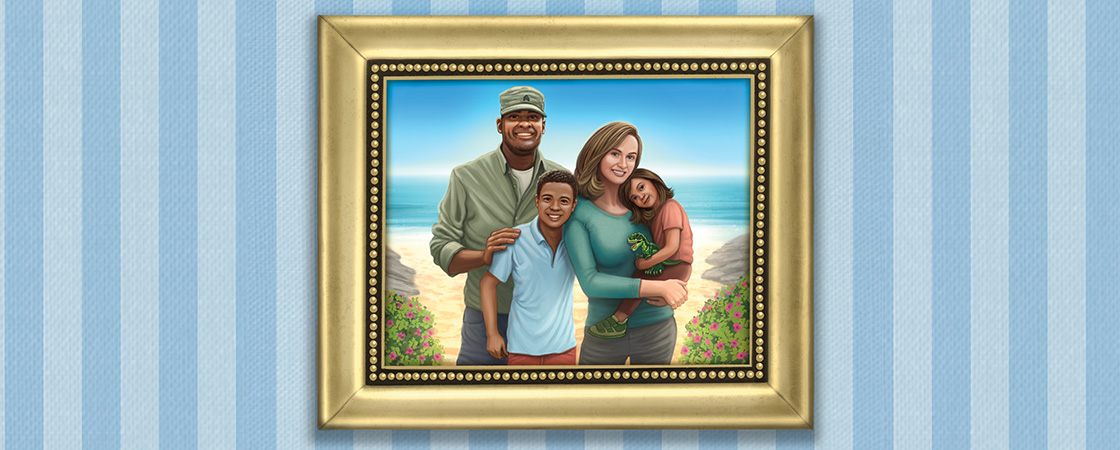
Perfect family. Perfect house. Perfect life. Yeah, right.
Learning Objective: Students will analyze how a character from a work of short fiction and a real teen from a nonfiction article demonstrate similar character traits.

Max was in Mom’s painting studio, leaning against the Perfects’ Wall and looking at the news on his phone.
Suicide bombing. IED. Insurgents.
That’s when Lindy started screaming.
“Max! Help! Max!”

He didn’t think. He just ran. Out the doorway and past the old wooden door that Mom had taken off its hinges because they squealed like something dying. Through the hallway, jumping over the place where the floorboards split and you could see all the way through to the kitchen below. Down the stairs, automatically skipping the broken ones (fifth from the top, seventh from the top, sixth from the bottom). To where his little sister was standing outside the bathroom, ankle-deep in water, wrapped in a towel, and screaming her head off.
“It wasn’t my fault! The sink just fell over! I was brushing my teeth, and—”
Max looked past her into the bathroom. The old-fashioned porcelain sink—the one Mom said had “character”—was lying on the floor, broken into pieces. On the wall where it had stood was a gaping hole. And water was everywhere. Water pooling on the floor. Water streaming into the hallway. A whole Niagara Falls of water spraying out of the wall. And a Pacific Ocean of tears pouring out of his sister.
That settles it, Max thought. Today is an extremely bad day.
The house hadn’t looked cursed online. It had looked—well, Max wouldn’t have said it looked perfect, but it looked exactly like what Mom wanted: a big old Victorian house on a hill overlooking the ocean. It had room for Mom’s painting studio and a garage where Dad could have a workshop when he finished his final deployment and came home for good. There was a room for Lindy, with built-in bookshelves where she could keep her dinosaur models and dinosaur books and dinosaur fossils, and a room for Max with a view of the storm-colored sea.
“It’s a little bit of a fixer-upper,” Mom had said, scrolling through the pictures with shining eyes. “But that’s perfect. We can work on it as a family.”
Max didn’t say what he was thinking, which was that they hadn’t done anything as a family for so long that he didn’t know if they would remember how. They’d moved so many times in his life that he was scared he would never be able to stay still.
Dad had been in the military since long before Max was born. Max was used to living without his father for months at a time when Dad was deployed overseas. He was used to moving to a new house in a new town in a new state without seeing it first—and moving again a year later. He was used to not making friends because it was easier to be alone than it was to say goodbye.
He just wasn’t used to staying.
“Cool,” he said instead. Mom looked up at him and laughed.
“That’s it? ‘Cool’?” she mimicked, teasing him. “Help, my son is turning into a teenager!”
But he just smiled because Mom looked genuinely excited about the fixer-upper, and he didn’t want to ruin the moment.
Late that night, Max came into the kitchen for a glass of water. Mom was still in front of her laptop, but her cheerful expression was gone. She looked exhausted. Max was pretty sure she had been crying. He cleared his throat, and she sat up straight like she’d heard a gunshot and slammed her laptop shut.
“Baby, what are you doing up?” she asked, voice full of forced cheer.
“Just thirsty,” he said. “Mom, you should go to bed.”
“I know, I know,” she said, that fake note Max hated still in her voice. “I was looking at pictures of our house again.”
Max walked past her, took a glass out of the cabinet, and filled it with water. He knew she was lying. He’d seen the screen before she closed the computer. She couldn’t sleep for the same reason he couldn’t. She’d been looking at the same news story he had. He’d recognized the headline. Multiple casualties in roadside terrorist attack. Right near where Dad was stationed.
“’Night, Mom,” he said.
“Good night, Max,” she said.
He turned to look at her over his shoulder. The computer was already open again. The blue light of the screen turned her face into a ghost’s.
By the time they realized “fixer-upper” meant “absolute disaster,” it was too late. They’d packed their things in the car, and Mom had driven them west and north.
Lindy spent all of Colorado, Utah, Nevada, and Oregon reciting dinosaur facts.
“Most dinosaurs are herbivores.”
“The word dinosaur comes from the Greek words deinos, meaning ‘terrible,’ and sauros, meaning ‘lizard.’”
“The stegosaurus could be up to 30 feet long and weigh up to 6,000 pounds, but it had a brain the size of a golden retriever’s.”
When they got to Washington, the rain started, and then even Lindy got quiet. Mom clutched the steering wheel as water came down in sheets around them. It was raining even harder when she drove past the city limits sign for their new town. By the time she pulled up and parked in front of the new house, the storm was so bad Max thought the car might float away.
“It rains a lot in Washington,” Mom said. She didn’t sound excited anymore. She sounded like Max felt.
“That’s an understatement,” Max said under his breath.
They stared out the rain-blurred car windows at the place that was supposed to be home. It was four in the afternoon, but the sky was almost black. The house didn’t look like something that would unite them as a family. It looked like something out of a horror movie.
“Is that a hole in the roof?” Max asked quietly.
“It’s nothing.” But Mom didn’t look like it was nothing.
“Why does the front porch look like that?” Lindy asked.
“It needs a few repairs, sweetie,” Mom said. “Nothing we can’t fix.”
A flash of lightning split the sky open. Thunder boomed. And in that second of illumination, Max realized that the garage that was supposed to become Dad’s workshop was missing one of its walls.
The movers brought their stuff a few days later, but Mom wanted to figure out how many rooms had leaks before they unpacked. Lindy said her room had ghosts in the walls. Max was pretty sure the ghosts were squirrels. Or rats. Mom set up her painting easel in the room that was supposed to be her studio. The blank canvas sat there untouched.
They had been in the house for a couple of days when they started calling the wall in Mom’s studio the Perfects’ Wall. It was the one part of the entire house that looked normal. The floral wallpaper was smooth and pretty. The ceiling overhead didn’t ooze rainwater. The window looked out over the ocean. Mom put up a framed picture of their whole family, from when Lindy was a baby and Dad was home.
The Perfects’ Wall looked like it had been dropped into the rest of the house from a TV show about a happy family that never scanned the news for stories about war and lived in a house that wasn’t falling apart. The Perfects weren’t scared. They didn’t move every year. They ate dinner as a family. They didn’t get into fights at school. They weren’t so obsessed with dinosaurs that they checked out of reality completely. They had birthday parties and friends to invite to them.
The Perfects’ Wall was where they sat when they video-chatted with Dad. “We want your father to want to come home,” Mom joked, but something in her eyes made Max wonder if maybe she wasn’t joking at all. That if Dad saw what the house was really like, he’d rather go somewhere else completely.
So when they talked to Dad from the Perfects’ life, they made sure their smiles were stuck on their faces like masks. Mom washed and blow-dried her hair. Max put on a button-down shirt. And even Lindy put down her dinosaur books for half an hour. The important thing was that Dad believed he was coming home to the Perfects.
What would happen when he realized what the house was actually like was something Max tried hard not to think about.
Now Max stared at the tidal wave of water pouring out of the bathroom, his heart sinking in his chest like one of Lindy’s fossils. Mom was due home from work in an hour. Their weekly video chat with Dad was in two. Who did you call when your little sister broke the bathroom? 911? The plumber?
“I’m sorry,” Lindy sobbed next to him. “I didn’t mean to, I swear!”
“It’s OK,” Max said automatically, his mind racing. “It’s not your fault. We have to make this water stop.”
“Spinosaurus was really well adapted to an aquatic environment,” his sister said in a tiny voice.“It was actually the only dinosaur that spent most of its time swimming.”
“Lindy, I’m trying to think,” Max snapped. The look on his sister’s face only made him feel worse.
“Let’s see if we can get the neighbors to help,” Max said, giving Lindy a quick hug.
His sneakers were already soaked. The water was rising. Who even knew so much water could come out of one little pipe?
He ran out to the front porch, the one Mom had loved so much online. The street was empty. The clouds were low and ominous overhead. Oh, great, Max thought. It’s going to rain.
But a few houses down, he saw a small figure in a baseball hat pushing a lawn mower back and forth. “Stay there!” he shouted to his sister, who’d followed him out onto the porch, as he ran toward the house.
The person turned out to be a girl about his age in a grass-stained T-shirt. She turned off the lawn mower as he ran toward her.
“Hi, new kid,” she said. “I didn’t realize you were my neighbor.”
“You’re in my homeroom,” Max said. He wasn’t used to paying attention to the kids around him at school. There usually wasn’t any point. “I’m Max.”
“I know,” she said. “We don’t get new kids in the middle of the year very often.”
Max struggled for a moment, trying to remember her name. “Jenny, right? Um, do you know anything about plumbing?”
Jenny shrugged. “Sure,” she said. “My dad’s a handyman. What do you need?”
“I need you to come with me,” Max said. “Right now.”
“OK,” she said calmly, wiping her hands on her jeans and following him back down the street to where Lindy was crying on the porch.
When Jenny saw the water gushing out the front door and down the porch stairs, her eyes widened. “Oh, wow,” she said.
“I don’t know how to make it stop,” Max said desperately. “Or even who to call.”
“You need to find the water main and shut it off,” she said confidently.
“The what?” Max asked. But she was already scuffing around in the mangy front lawn, which was more weeds than grass.
“It’ll be underground,” she called. “Beneath a cover of some kind. Like, this big.” She held out her hands and made a rectangle. “Help me find it before you flood the whole neighborhood.”
Lindy ran down the stairs and poked through the tall, clumpy weeds on the other side of the house. Max looked around in front of the porch.
“I found it! I found it!” Lindy shrieked in excitement.
Max and Jenny ran over to where Lindy was scrabbling through the weeds.
“That’s it,” Jenny said. “Take off the cover. There should be a big lever in there. You pull that, it shuts off the water to the whole house.”
The lever was right where Jenny had said it would be, covered in rust. Max pulled and pulled, but it didn’t budge. Jenny reached in and pulled with him. With an angry squeal, it finally lifted.
The flood of water pouring down the steps slowed.
“Come on, I’ll help you clean up,” Jenny said.
The three of them squelched up the stairs, down the hall, and into the bathroom. There was water everywhere. But at least it had stopped spraying out of the wall.
“Wow, this place is a dump,” Jenny said, looking around. She sounded almost impressed.
Anger flashed through Max—and then it faded. “Yeah,” he said. “Actually, it kind of is.”
“Well, it’s nothing you can’t fix,” Jenny said, “except maybe that sink. My dad can help out. I’m pretty good at that kind of thing too. Where do you keep the mop?”
Max heard his mom’s footsteps coming up the porch stairs. The front door opened.
“Mom’s going to kill me,” Lindy wailed.
“Why would she do that?” Mom yelled from the front hall. “What on earth is all this water? Why are you—”
And then she was behind them, standing in the doorway, a look of absolute horror on her face. “Oh no,” she said, and covered her mouth with her hands.
Max watched the emotions move across his mom’s face like storm clouds, but he couldn’t read her expression. Was she furious? Upset? Heartbroken?
And then, to his surprise, she started to laugh.
“You have got to be kidding me,” she said, and then she laughed even harder. Bright, clear laughter. The kind he hadn’t heard since before Dad left. Before he knew it, he was laughing too. And then Jenny. And then, finally, Lindy.
Mom laughed so hard she had to lean against the wall. “I can’t believe this house!” she yelled. “It’s a nightmare! Who’s your friend, Max?”
“This is Jenny. She helped me shut off the water,” Max said. “She lives down the street.”
Friend, he thought. For the first time in a long time, he thought the word might turn out to be true.
“Thanks for that, Jenny,” Mom said. “Want to stay for dinner?”
“Sure,” Jenny said. “Let me just call my dad.”
“Which reminds me, kids,” Mom said. “It’s time to call your father.”
Max turned toward the door, ready to head upstairs to the Perfects’ Wall.
He wasn’t quite sure how they were going to explain why Lindy was sopping wet. But they’d think of something.
“You know what? Let’s not bother going up there,” Mom said. “I want to show your poor father this sink. Let’s call him from here.”
“Are you sure?” Max asked.
“I’m sure,” she said.
And this time, the smile on her face was the realest one he’d ever seen.
More than 1.3 million Americans actively serve in the United States military. What is life like for their children?
By the time she turned 14, Ava Lim had moved at least six times. “I think I’ve actually lost count,” says Ava, now 17.
The reason? Ava’s dad was a lieutenant colonel in the Air Force, one of the six branches of the United States armed forces.
Like Ava, more than 1 million kids grow up with a parent on active duty, meaning they work for the U.S. military full-time. Most service members are stationed on military bases or in nonmilitary towns in the U.S. or abroad, often rotating locations every few years. Usually, their families move along with them.
For Ava, each move was “honestly a whirlwind.” Her family of six has lived in Las Vegas, Dallas, Atlanta, and the Los Angeles area.
Courtesy of Ava Lim
Ava (center) with her family when her dad was deployed.
FOMO Forever
Now a high school senior in California, Ava hopes her family will be able to stay there permanently since her dad has retired. But she appreciates that the family’s moves taught her self-reliance and tenacity.
With every move, she recalls her dad being busy with his new role and her mom managing everything else—four kids, a new home, the kids’ activities. Ava pitched in wherever she could. Getting the family set up in a new city was like “a machine where everyone has to do their part,” she says.
Still, it wasn’t easy. Always the new kid, Ava had to adapt to new schools and learn to make friends quickly. Staying in touch with old pals was tricky too. They texted and called, but “military life teaches you how much is in those day-to-day moments,” she says. “Even if it’s just struggling through a couple classes together, it means so much more than occasional visits.”
Ava often missed her father too. When she was a toddler, her dad was deployed to Afghanistan. She remembers sending him a Valentine’s Day video saying, “I want Daddy home!”
Elana Tough
Ava now calls California home.
Love in Letters
Today Ava connects with other kids like her through an organization called Bloom, which raises the voices of military teens. She has also learned to find her constants in every new place, like ballet, books, and writing letters.
She even created an organization called Letters Connect, which teaches the art of letter-writing and sends care packages to service members.
She says sharing letters “is a way for people to connect on a deeper level with each other.”

Writing Prompt
Explain how Max and Ava each show tenacity. What obstacles do they face as military kids, and how do they keep going?
This article was originally published in the November 2026 issue.